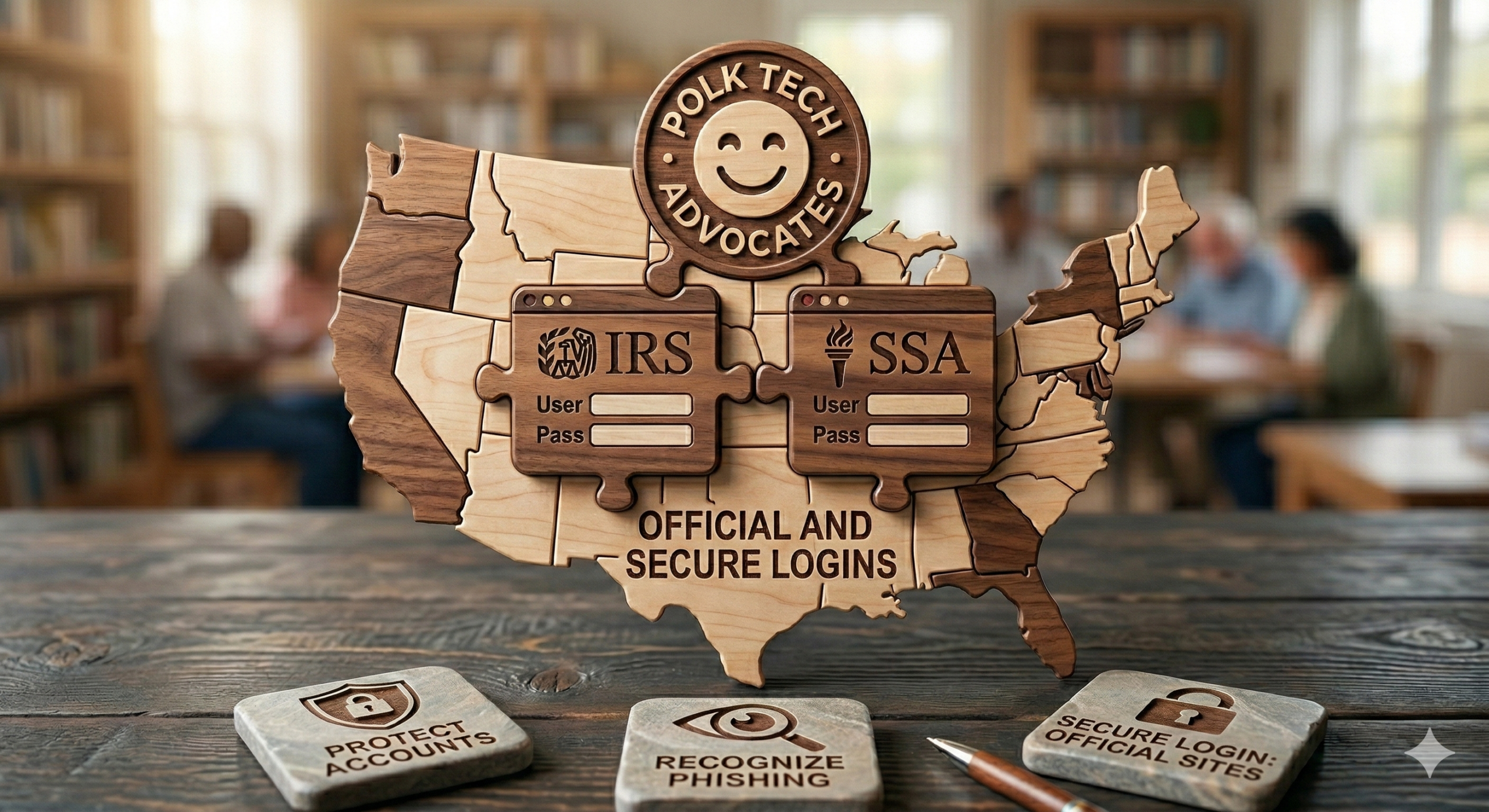
The transition to a unified digital identity for Social Security Administration (SSA) and IRS services has created a significant hurdle for seniors. The federal government is moving away from proprietary agency logins toward a “single sign-on” model, which requires a much higher level of identity verification than in previous years.
1. The Key Identity Vendors
There are currently two primary “Credential Service Providers” (CSPs) authorized to handle these checks. You will likely see these options on the login page of the SSA or IRS:
- Login.gov: Managed by the General Services Administration (GSA). It is the government’s internal solution. While it is seen as the more “official” option, its identity verification process is rigorous and can be technically demanding.
- ID.me: A private, third-party vendor. ID.me is often the “backup” for people who fail the automated Login.gov checks because it offers a video chat option with a human “Trusted Referee” to verify documents manually.
+1
2. Common Issues Faced by Seniors
The “Identity Divide” creates several technical and logistical friction points that often lead to account lockouts or failed verification:
- The “Thin File” Problem: Many digital checks rely on credit histories or stable financial footprints. Seniors who have paid off their mortgages, have no active car loans, or use limited credit often have “thin” files that the automated systems cannot verify.
- The Smartphone Barrier: Both services typically require Multi-Factor Authentication (MFA). This often assumes the user has a smartphone capable of receiving SMS codes, using an authenticator app, or—most challenging—taking high-resolution “selfies” and photos of a Driver’s License.
+1 - Physical and Document Issues:
- Image Clarity: Older IDs or shaky hands can lead to rejected photos of documents.
- Biometric Failure: Automated facial recognition (matching a live selfie to a license photo) often fails if the license photo is old or if the lighting is poor.
- The “Address Mismatch”: Seniors who have moved recently (e.g., to assisted living or a downsized home) often face “mismatched data” errors because their new address hasn’t updated across the commercial data brokers these vendors use.
- Phase-out of Phone Support: Historically, seniors could verify their identity over the phone with an SSA agent. This is being aggressively phased out in favor of “self-service” digital portals, which can feel like a “digital wall.”
3. Current Trends (2025–2026)
As of early 2026, the push for Biometric/Passkey adoption has increased. While this is more secure, it adds a layer of complexity (like requiring “Cloud Sync” or specific browser versions) that many older devices do not support.
Crucial Note: If a senior fails the online check multiple times, the “fail-safe” is usually an in-person visit to a local Social Security field office or a participating USPS location to verify their ID in person.
Leave a Reply